Aug 17
9
Updated 25 May 2026:
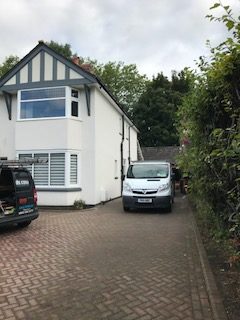
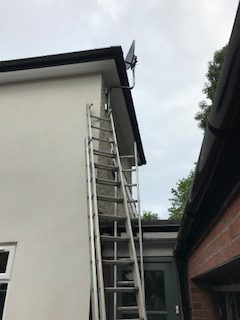
This post was originally a short job note from 2017, written after a customer asked us not to fit their satellite dish on the front of the property. That is still a common request today. Many homeowners want Sky, Freesat or other satellite services, but they do not want the dish to dominate the front elevation, spoil the look of the house, or be the first thing people notice from the road.
In many cases, a dish can be fitted somewhere more discreet, but it depends on the property. A satellite dish cannot be hidden anywhere you like and still work properly. It needs a clear line of sight to the satellite, a secure fixing point, safe access for the installer, and a cable route that does not leave the outside of the property looking messy. The right solution is usually a balance between appearance, signal quality and safe installation.
Why Customers Often Want The Dish Away From The Front
There are several reasons why a homeowner may not want a satellite dish on the front of the house. Some people have spent money improving the frontage and do not want a dish and cable run across the brickwork. Others live on a neat estate where front-facing dishes stand out. Some homes have rendered walls, stonework, bay windows, new cladding or carefully finished exterior details that make a standard front wall installation look out of place.
There can also be practical reasons. A dish on the front may be vulnerable to damage, may be too low, may interfere with other exterior work, or may create an awkward cable route to the room where the box is located. In some cases, the customer simply prefers the dish at the side or rear because it keeps the property looking cleaner from the street.
Can A Satellite Dish Be Fitted Away From The Front Of A Property?
Yes, a satellite dish can often be fitted away from the front of a property, but only if another position has a clear view of the satellite. The dish does not receive the signal from a local TV mast in the same way as a standard TV aerial. It has to point towards the satellite position in the sky, and anything in that path can block or weaken the signal. Buildings, trees, rooflines, extensions and neighbouring properties can all affect whether a hidden or rear-mounted dish will work.
That is why the installer needs to check the line of sight before deciding where the dish can go. A rear wall, side wall, chimney, garden pole, outbuilding or discreet gable-end position may be possible on one property and completely unsuitable on another. The dish position has to be chosen from the signal first, then refined for appearance and cable routing.
Why Line Of Sight Matters More Than Appearance
Appearance matters, but the dish still has to work. If the dish is placed in a hidden position with a blocked view, the customer may end up with no signal, weak signal, missing channels or picture break-up in bad weather. A neat but unreliable satellite installation is not a good result. The best installation is the least visible position that still gives a stable signal.
Sometimes there is a good compromise. The dish may not be completely invisible, but it can be moved away from the most obvious part of the house. A side elevation, rear wall or higher pole may keep it out of the main street view while still giving the dish the signal path it needs. On other properties, the only technically suitable position may be more visible, and the installer should be honest about that before starting work.
Discreet Satellite Dish Positions That May Work
Every property is different, but there are several positions an engineer may consider when the customer does not want a dish on the front. The best choice depends on the direction the dish needs to face, the height of the building, the roof shape, safe access, nearby obstructions and how the cable can be routed back to the TV point.
- Side wall positions that are less visible from the road
- Rear wall positions where the satellite view is clear
- Gable-end positions with a tidy cable route
- Chimney-mounted dishes where the chimney is suitable and safe
- Garden pole mounts where the signal path is open
- Outbuilding mounts where a cable route back to the house is practical
- Higher brackets or pole extensions where extra height solves an obstruction
These options should always be assessed properly. A dish fitted on a long pole just to hide it can become unstable if the bracket is not suitable. A garden pole may work well in some cases, but it needs a clear signal path and a safe cable route. A chimney may offer height, but not every chimney is suitable for extra equipment.
What If The Dish Has To Face The Front?
Sometimes the satellite direction means the dish naturally needs to face towards the front of the property. That does not always mean it has to be fixed in the most obvious front-wall position. A good installer may still be able to look for a higher, lower, side-return, chimney, gable or offset position that reduces how noticeable the dish is from the road.
If there is genuinely no alternative, the discussion becomes about making the installation as neat as possible. That may include choosing a sensible bracket, keeping the dish level and tidy, avoiding unnecessary cable runs, clipping the cable cleanly and routing it in a way that follows the building lines. A front-facing dish can look much worse when it is fitted casually with messy cabling, even if the dish itself is small.
Planning, Conservation Areas And Property Restrictions
Most ordinary houses can have a satellite dish installed without needing a full planning application, provided the installation stays within permitted development limits. However, there are restrictions on size, number of antennas, chimney positions, roof positions and visibility in sensitive locations. Government permitted development guidance also says that, as far as practical, antennas should be sited to minimise their effect on the external appearance of the building. :contentReference[oaicite:1]{index=1}
Extra care is needed if the property is in a conservation area, World Heritage Site, National Park, National Landscape, listed building setting, leasehold block or a new build estate with developer rules. In some sensitive areas, a dish on a wall, roof slope or chimney that faces and is visible from a road may not be permitted without consent. Planning Aid England gives similar guidance on the limits for dishes and where restrictions apply. :contentReference[oaicite:2]{index=2}
New Build Estates And Developer Covenants
New build estates can have extra rules about where satellite dishes, aerials and other exterior equipment can be placed. These may be written into developer covenants, estate rules or lease conditions. Some customers only discover this after a standard installer suggests placing a dish on the front wall. If the property has restrictions, a discreet side or rear installation may be more suitable, provided it still receives a clear signal.
It is worth checking your paperwork before booking the installation if you are concerned. The engineer can advise on practical dish positions, but they cannot remove the need to comply with property-specific rules. If permission is needed from a landlord, management company, developer or freeholder, it is better to confirm that before the dish is fitted.
Sky, Freesat And Satellite Dish Alternatives
Some customers want the dish hidden because they are not sure whether satellite is the only option. That depends on what they want to watch. Sky Q and Freesat need a satellite dish. However, Sky Stream works through broadband and does not need a dish, while Freeview uses a TV aerial rather than a satellite dish. For some homes, changing platform may be an easier answer than trying to hide a dish in a difficult position.
That does not mean satellite is outdated. A dish can still be the right choice if you want Sky Q, Freesat, strong live TV reliability, or a setup that does not depend entirely on broadband. The decision should come down to viewing habits, broadband quality, local Freeview signal, the available dish positions and whether the appearance of the installation is a major concern.
Why Cable Routing Is As Important As Dish Position
A discreet dish can still look untidy if the cable is badly routed. Cable should be clipped neatly, follow sensible building lines where possible, and enter the property in a practical place. Long, diagonal cable runs across the front of a house can draw more attention than the dish itself. On rendered walls, stonework or newly finished properties, poor cable routing can be especially noticeable.
A good installer should think about the full route before fixing the dish. That includes where the receiver or TV box is located, whether existing cable routes can be reused, whether drilling is needed, and how to weatherproof the entry point. The neatest installation is not just about hiding the dish; it is about making the whole outside finish look considered.
When Moving An Existing Dish Is Possible
If you already have a dish on the front of the property, it may be possible to move it. The engineer will need to check whether an alternative location has a clear line of sight and whether the current cabling can be reused or rerouted. Sometimes the dish can be moved to a side wall or rear position with a new cable route. Sometimes a new bracket, pole or cable run is needed.
Moving a dish is not always a simple cosmetic job. The new position must be tested and aligned correctly. The old fixing holes may also need making good, especially if the dish has been on the property for years. If the existing dish is rusty, loose, poorly aligned or fitted with old cabling, relocation may be a good opportunity to replace worn parts at the same time.
What To Ask Before Booking A Discreet Dish Installation
Before booking, it helps to be clear about what matters most. Do you want the dish completely hidden, or simply away from the front elevation? Are there any estate, leasehold or conservation restrictions? Which room needs the satellite feed? Is there already a dish or cable on the property? Do you want Sky Q, Freesat or another satellite service?
These answers help the engineer assess the job properly. A discreet installation may be straightforward, or it may require a more careful survey. The earlier the installer knows the customer does not want the dish on the front, the easier it is to look for alternative positions and avoid wasting time on a standard location that the customer will not accept.
Book A Discreet Satellite Dish Installation
If you need a satellite dish but do not want it fitted on the front of your property, WeFitAerials can help assess the options. We can check the line of sight, look for less visible mounting positions, advise on cable routing and install the dish in the most practical discreet location available.
The final position has to work technically and safely, but in many cases there is a neater alternative to a prominent front-wall dish. Contact WeFitAerials to arrange a satellite dish installation, dish relocation or signal check.